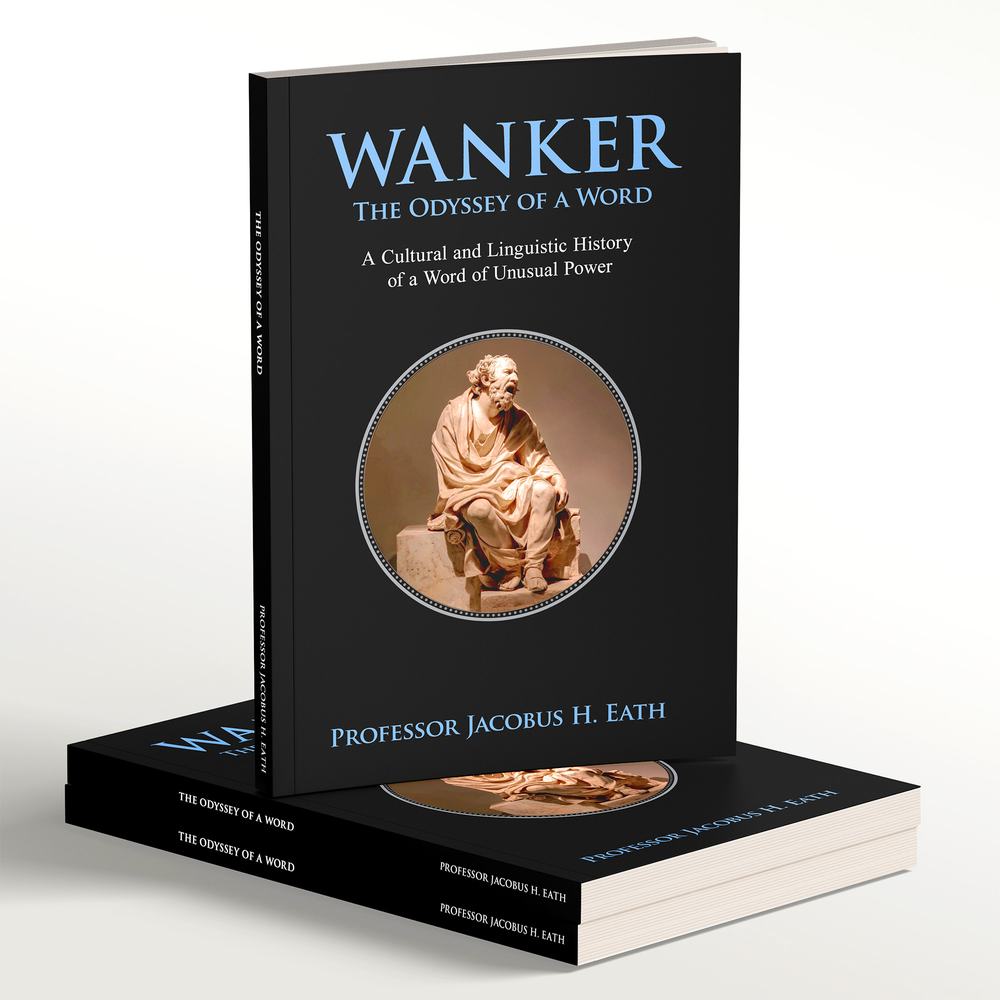
WANKER
A recognisably British insult with comic force.
A quick guide to British swear words, insults and rude expressions, the sort that can be affectionate, vicious or catastrophically misjudged depending on who says them.
British English often uses insult as social theatre. A word can be a genuine attack, a friendly jab, a class signal, a comic flourish or a sign that everyone in the room has stopped pretending to be polite.
This does not make the words harmless. It makes them context-dependent, which is more dangerous and more interesting.
Rude words work well as gift-book titles because they are instantly understood. There is no slow explanation. The humour begins the moment the cover is seen.
The extra joke here is presentation: each book looks far more scholarly and grand than the title has any right to be.
A recognisably British insult with comic force.
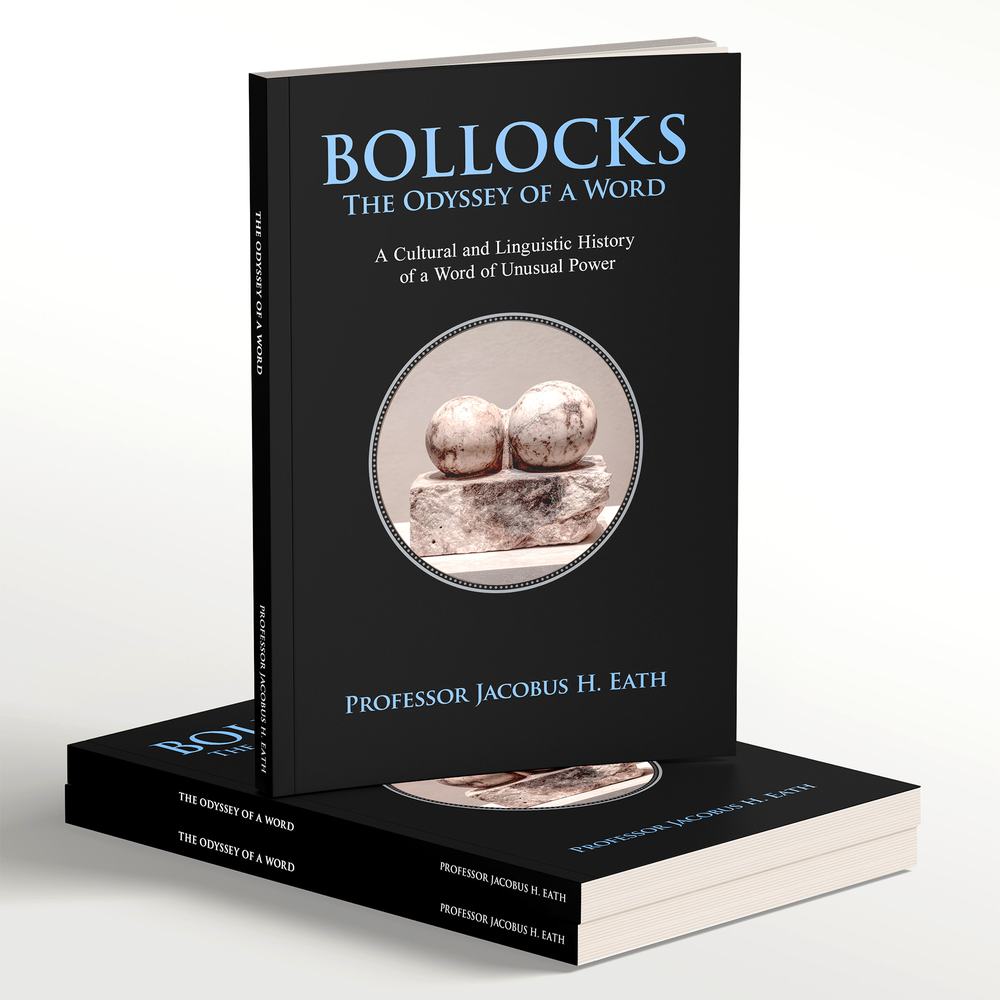
A British classic with comic range.
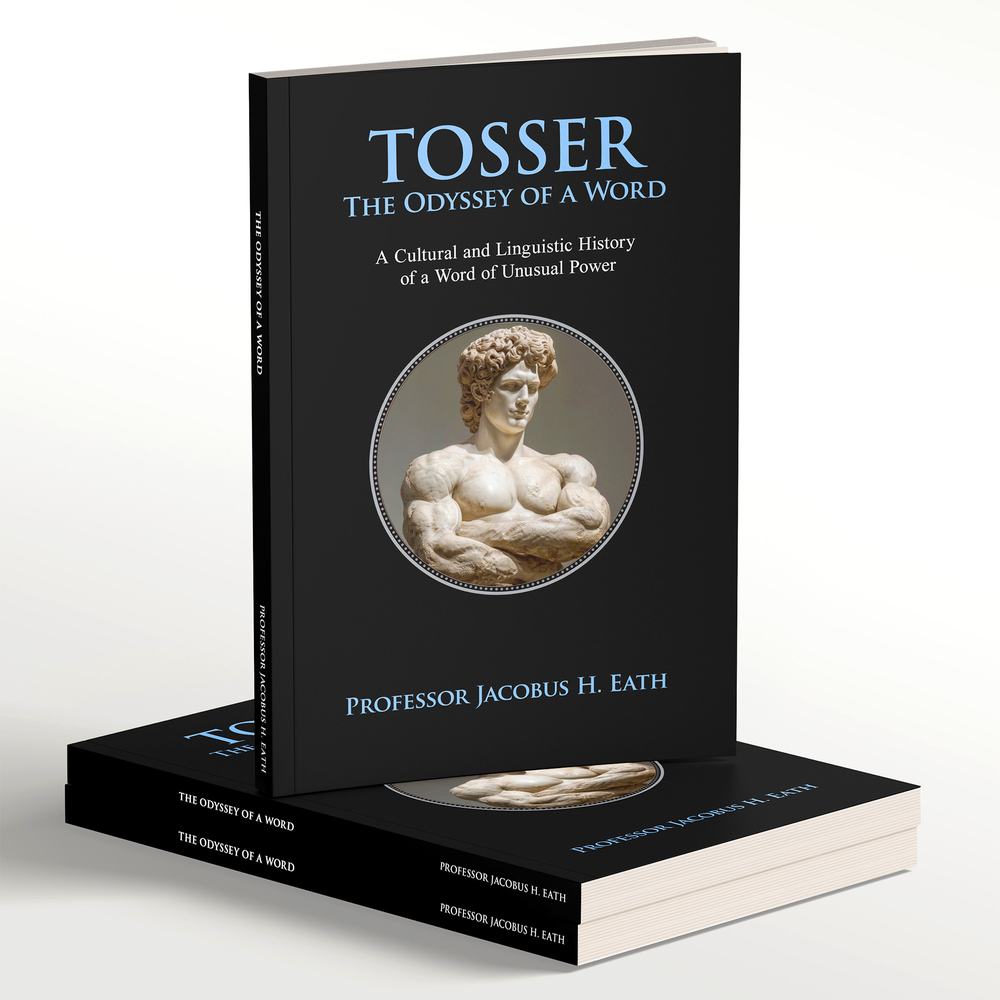
A pleasingly dismissive British insult.
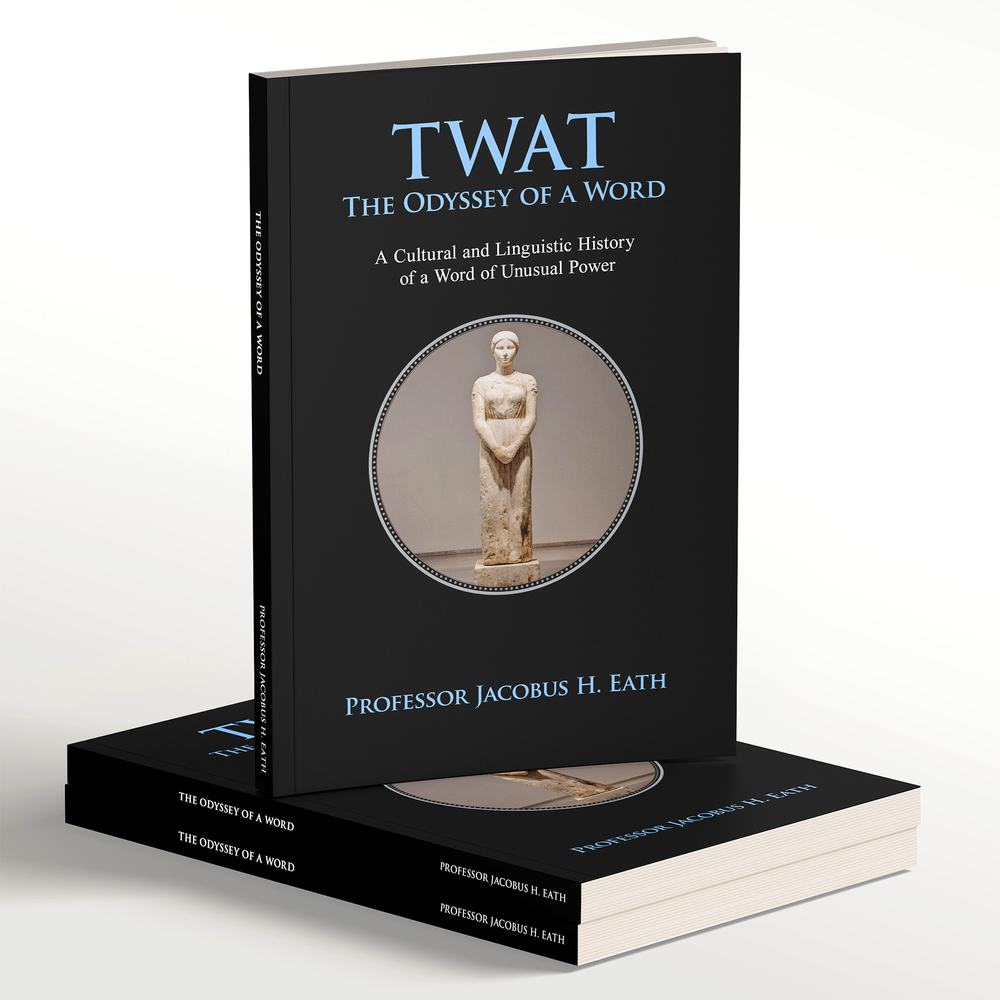
A sharp, compact British insult.
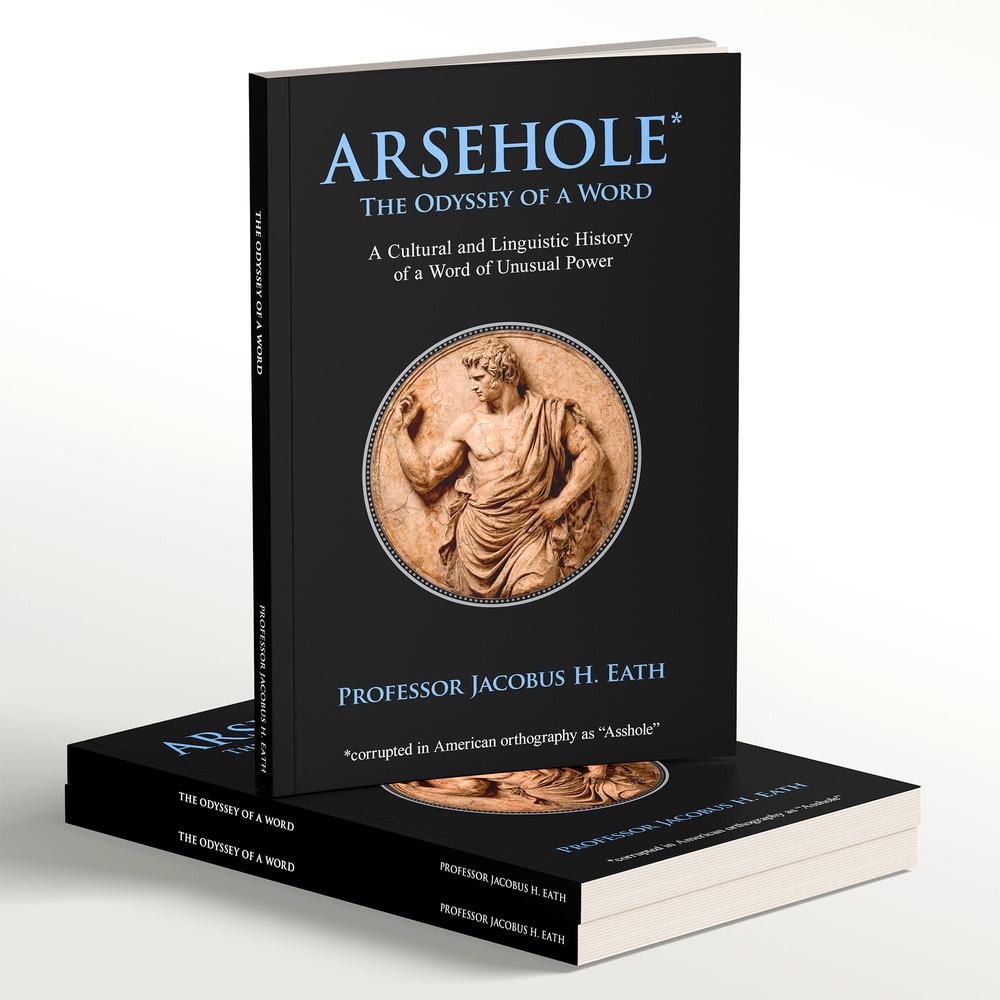
A direct insult with universal clarity.
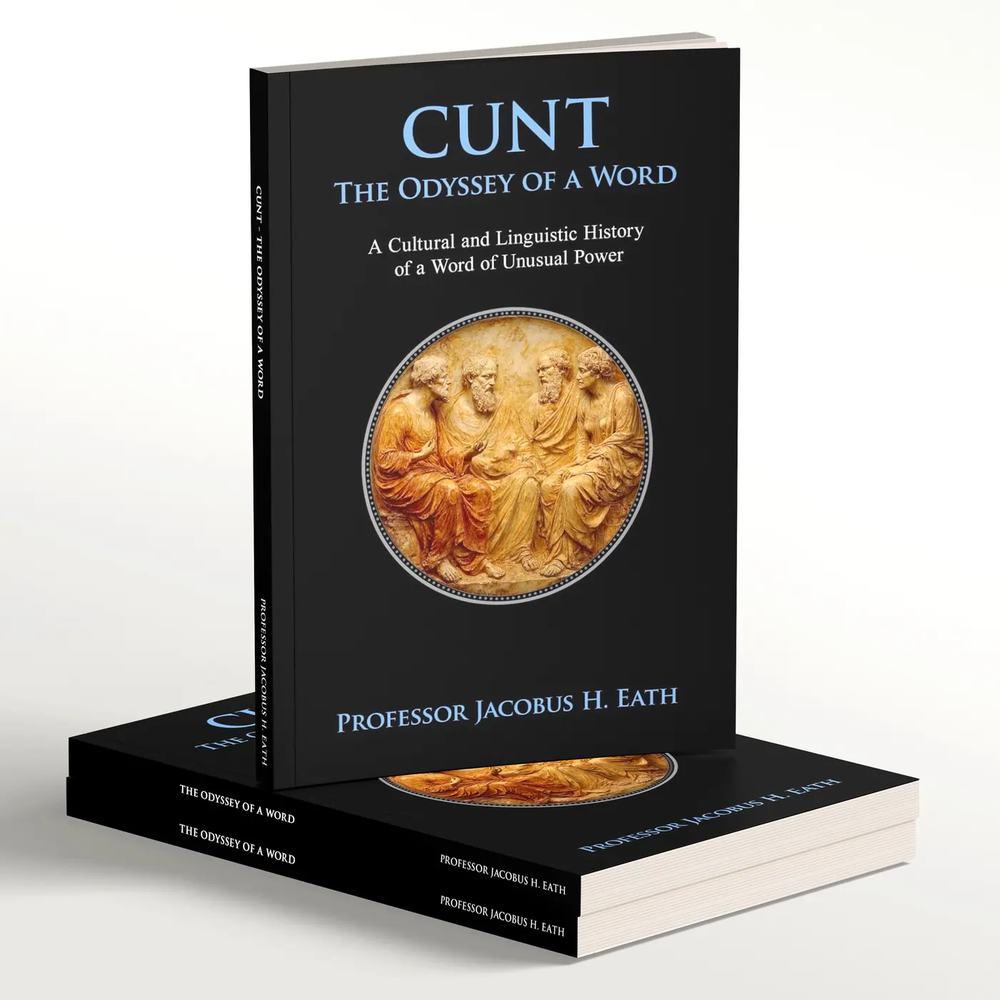
A mock-scholarly rude word history devoted to the most notorious title in the collection.